
Braz Emergency Locksmith
Home lock problems are rarely dramatic. They are usually just badly timed.
You get back with groceries and the key will not turn. You realize your keys are inside after the door closes behind you. The deadbolt has been sticking for months and today it finally stops pretending. A tenant moves out. A roommate leaves. Somebody loses a copy of the key and now the whole place feels a little different.
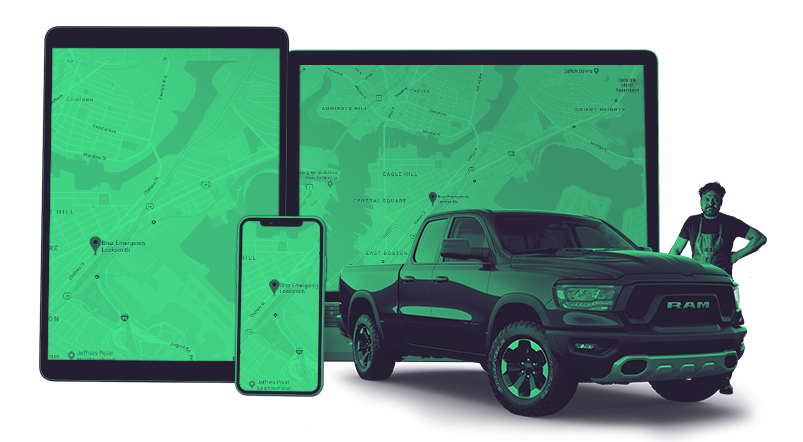
That is the kind of work we do at Braz Emergency Locksmith. Real residential jobs around Boston. Apartment lockouts. House lockouts. Rekey work. Lock changes. Old hardware that no longer feels right. Doors that need a little shoulder every time. If you landed here from searching locksmith near me, you are probably dealing with one of those problems right now.
That is the thing about home locks. Problems build quietly.
The key starts catching a little.
The front door only locks if you pull it toward you first.
The deadbolt works, but not smoothly.
The knob feels loose.
You tell yourself it is fine because it still kind of works.
Then one day it does not.
That is usually when people call. Not because they ignored it. Just because most lock problems are easy to live with until they are suddenly not easy at all.
Residential locksmith work in Boston is not the same as it is in a newer suburb with all the same doors and all the same hardware. Here you get old front entries, narrow vestibules, painted-over locks, heavy wood doors, condo buzz-in systems, triple-decker side doors, basement entries that have seen a few too many winters, and apartments where the lock has been changed so many times nobody is fully sure what is going on inside the door anymore.
You also get weather. Winter swells doors. Old frames shift. Humidity does its thing. Locks get stiff. Latches stop lining up cleanly. A key that worked fine in September starts acting moody in January.
So a residential call is not always just "unlock the door". Sometimes the real problem is the door. Sometimes it is the strike plate. Sometimes it is hardware that should have been replaced years ago but kept hanging on out of pure stubbornness.
Anybody who has been locked out of their apartment knows it is not just a lock problem. It changes the mood of the whole day.
Your charger is inside. Your coat is inside. Your food is inside. Maybe your dog is inside. Maybe you are standing in a hallway hoping a neighbor comes by. Maybe you are outside in socks because you only meant to grab one thing from the car. These are not giant disasters, but in the moment they feel big enough.
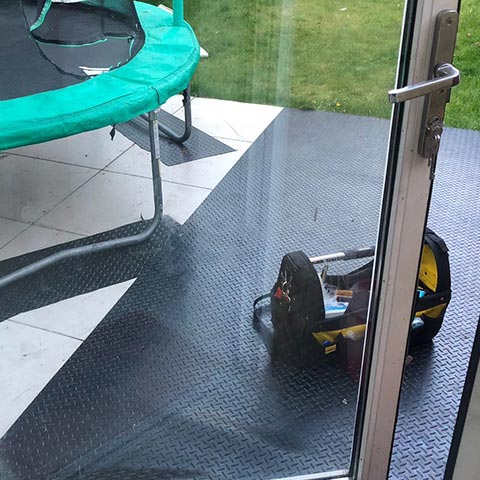
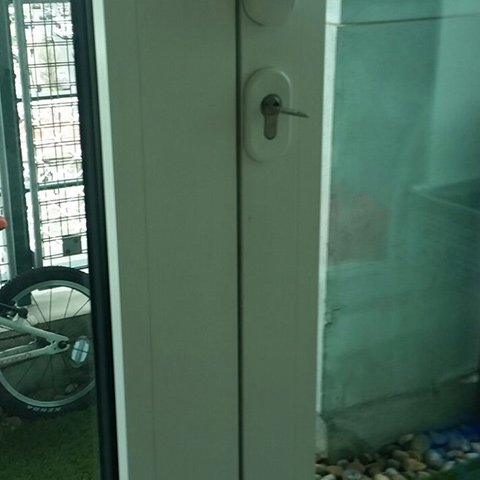
We help with apartment lockouts all the time. Same with condo lockouts and house lockouts. Sometimes the issue is just the keys being left inside. Sometimes the key is gone. Sometimes the lock was already failing and this is just the point where it finally gives up in public.
And that part matters. Opening the door is one thing. Figuring out whether the hardware is about to do this again next week is another. People usually want both answers once they calm down.
This is one of the most common questions on residential calls, especially after a move or a roommate change.
If the lock itself is still in decent shape, rekeying usually makes sense. The old key stops working. You get a fresh set. The lock stays on the door. Simple. It is a good move after moving into a new place, after losing keys, after a tenant turnover, or anytime you are not fully sure who still has a copy.
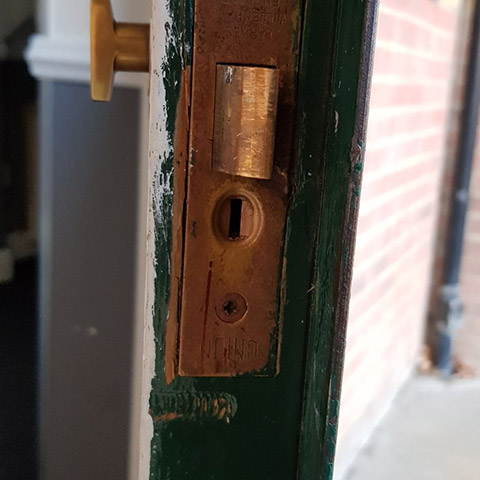
Other times, replacement is the better call. Maybe the hardware is worn out. Maybe it is cheap builder-grade stuff that never worked very well in the first place. Maybe the finish is shot and the inside is not much better. Maybe the door needs a better setup than what is already there.
There is no prize for squeezing ten more months out of a lock that already feels tired. At home especially, people want the front door to work without a daily little argument.
A lot of residential calls happen when nobody is locked out.
New homeowner wants the place rekeyed before the first weekend in the house.
Landlord wants all units on a cleaner key plan after turnover.
Family wants to stop carrying three different keys for three different doors.
Somebody wants to replace a front lock that looks old and feels worse.
Someone else just wants the bedroom or interior door fixed because the latch stopped catching.
That is residential locksmith work too. It is not always urgent. Sometimes it is just smart maintenance people put off until they are finally tired of dealing with it.
This comes up a lot in Boston homes. Front entry gets all the thought, and the side or rear door gets whatever lock happened to be available at the time. Then years pass. The back door starts sticking. The basement entry gets hard to lock. A storm door rubs against the frame. The latch does not catch unless you slam it just right.
People live around those little problems for ages.
Then one cold day, or one late night, it stops being a little problem.
Sometimes the best fix is not fancy. Small alignment adjustment. Better hardware. Clean rekey. Replacing something that was never really right for the door in the first place. Residential jobs are often like that. Not glamorous. Just useful.
You can usually tell a lot from the key someone hands over.
Worn edges. Bent tip. Cheap copy of a copy of a copy. Plastic head held together with tape. Key ring full of old keys nobody remembers anymore. Those little details tell you how long the lock has been bothering someone and how many workarounds happened before the call got made.
That is also why duplicate keys matter more than people think. A good spare is helpful. A bad spare is just future frustration waiting in a drawer.
This happens a lot on home visits.
We get called for a lockout, then once the door opens the customer says, "Actually, while you're here, can you look at this deadbolt too?"
Or the call starts as a rekey job and turns into a conversation about the front lock, the back door, and why one key only works if you pull the handle up first.
That is normal. Once someone finally has a locksmith at the house, all the small annoying stuff they have been living with tends to come up. And honestly, that is usually useful. Better to deal with it on a normal day than wait until the lock chooses the worst possible time to fail.
Not flashy. Not overexplained. Just practical.
People want to know if the lock can be saved. If it should be rekeyed. If it should be replaced. If the door is the real problem. If the hardware is worth keeping. If the setup makes sense for the way the home is actually used.
That is especially true in houses and apartments where more than one person is coming and going. Kids. Tenants. Roommates. Family members. Dog walkers. Cleaners. Maintenance staff. Keys circulate. Habits change. Sometimes the goal is not just security. Sometimes it is making the place less annoying to live with.
Someone moves into a condo in Boston and has no idea how many old keys are still floating around. Rekey makes sense.
A renter in Somerville closes the door to grab a package and realizes the keys are still on the kitchen counter. Now it is a lockout.
A homeowner in Brookline has a front door that has needed an awkward shoulder-push for two winters already. Now the deadbolt barely turns.
A landlord in Cambridge wants the apartment changed over between tenants without replacing every lock on the property. Rekey again.
These are not unusual stories. They are most of the work.
If your lock is acting up, your keys are missing, your door will not cooperate, or you just want the place to feel more secure than it does right now, call Braz Emergency Locksmith at 617-993-6581. We help with residential locksmith work across Boston and nearby areas for apartments, condos, houses, and small multi-unit properties.
Sometimes the job is urgent. Sometimes it is just time. Either way, it helps to get the problem looked at before a stubborn lock turns into a full lockout on the wrong day.


 DOWN
DOWN